Flange insulation gasket kits are typically required wherever electrical isolation is needed between connected piping sections or equipment to prevent galvanic corrosion and maintain cathodic protection. This article examines the common locations and conditions where these kits are specified, including dissimilar metal flanges, pipeline tie-ins, metering and compressor stations, and other critical piping installations.
Understanding the pressure and temperature limits of Type D flange insulation gaskets is essential for safe and reliable pipeline isolation. This article examines the typical ratings, material constraints, and industry standards that determine where these gaskets can be used.
This article explains the key differences between flange insulating gaskets and isolation kits, including their components, applications, and how each is used to prevent galvanic corrosion and ensure electrical isolation in piping systems.
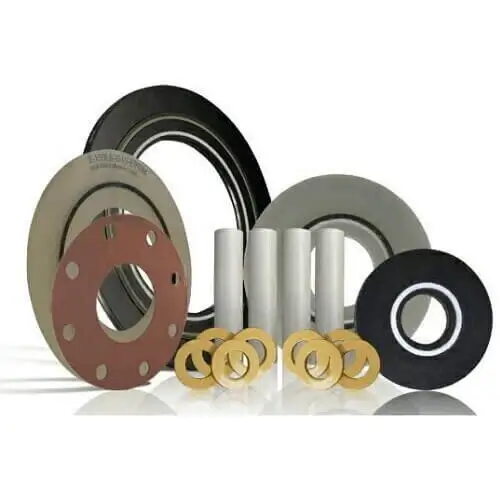
This article explains the key components of a flange insulation gasket kit, including insulating gaskets, sleeves, washers, and backup rings used to isolate flanges and prevent corrosion.
A flange insulating gasket kit typically includes an insulating gasket, insulating bolt sleeves, insulating washers, and metal backing washers. These components work together to electrically isolate the flange faces and prevent galvanic corrosion while maintaining a sealed connection.
Flange insulation gaskets play a critical role in pipeline systems by preventing electrical contact between dissimilar metal flanges, which helps reduce galvanic corrosion. They also support cathodic protection effectiveness and improve the overall safety and longevity of pipeline infrastructure.
We use cookies to offer you a better browsing experience, analyze site traffic and personalize content. By using this site, you agree to our use of cookies. Privacy Policy

 27 2026-10
 26 2026-10
 20 2026-10
 19 2026-10
 16 2026-10
 09 2026-10


