Why are flange insulation gaskets important in pipeline systems? In pipeline operations, a flange is more than a connection point; it is also a potential electrical bridge. When dissimilar metals meet at a flanged joint, moisture and soil create a galvanic cell. Even small stray currents can remove metal from pipe walls, weaken the flange face, and turn a tight seal into a leak path. For a procurement engineer, that means unplanned shutdowns, rising repair costs, and difficult conversations with safety teams. A flange insulation gasket kit breaks that electrical circuit. It combines a non-conductive gasket with insulating sleeves and washers to isolate each bolt. The result is a controlled, measurable separation between pipeline sections. This protects cathodic protection systems, extends asset life, and keeps operators compliant with corrosion control standards. At Ningbo Kaxite Sealing Materials Co., Ltd., we see this daily: a buyer selects a standard gasket because it is cheap, only to replace it later with a properly engineered isolation kit after a CP survey fails. Whether you manage a gas transmission line, a refinery off-plot, or a buried water main, the same electrical principles apply. This guide explains the real-world reasons why flange insulation gaskets matter, how to specify them, and what procurement teams should verify before purchase.
Picture a natural gas distribution line running through wet, saline soil. A maintenance team notices that cathodic protection test readings at a downstream flange have dropped from -0.95 V to -0.72 V in two weeks. Rust stains appear around the bolt holes, and a small leak starts at the gasket edge. The root cause is not always the gasket material. It is often electrical continuity across the flanged joint. When a standard gasket is installed without insulating sleeves and washers, current flows from the protected pipe into the flange, bolts, and surrounding soil. The pipe loses CP protection and the flange becomes a galvanic anode. This scenario is common in refineries, gas metering stations, pump stations, and buried water lines. The procurement cost of a basic gasket seems low, but the operational cost of a corrosion failure is much higher. A flange insulation gasket kit changes the outcome. It includes a high-dielectric gasket, non-conductive sleeves for each bolt, and insulating washers to isolate the nut and bolt head. The result is a clean break in the electrical path. CP current stays where it belongs, the flange remains protected, and the seal keeps its design integrity. For buyers, this is not a specialty item; it is a reliability upgrade that pays for itself many times over.

| Symptom | Likely cause | Isolation-kit fix |
|---|---|---|
| CP potential shift | Current leakage at flanges | Dielectric gasket breaks the path |
| Rust stains at bolt holes | Galvanic contact through bolts | Insulating sleeves and washers |
| Localized pitting on flange face | Stray current discharge | Full isolation gasket kit |
| Repeated gasket blowout | Uneven bolt stress from corrosion | Controlled sealing plus isolation |
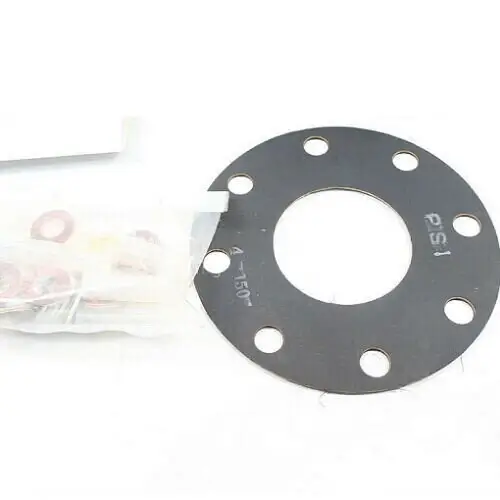
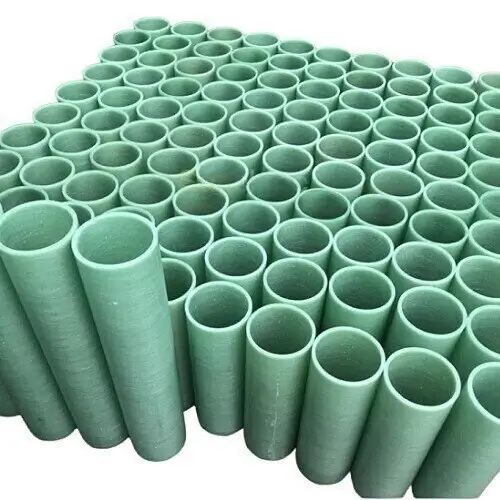
At a flanged joint, there are three possible electrical paths: through the gasket, through the bolt body, and through the washer contact area. If any one of these remains conductive, the isolation is incomplete. Many standard gaskets are made from graphite or metal-reinforced materials. Even if the gasket body is non-conductive, steel bolts can still touch both flange faces. The result is a galvanic cell or a CP drain. An engineered flange insulation kit addresses all three paths. The gasket is made from high-resistivity material such as G10 epoxy glass, phenolic laminate, or neoprene-faced phenolic. The bolt sleeves are hard, thin-wall tubes that prevent the bolt from contacting the flange bolt hole. The insulating washers sit under the nut or bolt head to stop current from passing through the fastener. A steel washer is then placed on top of the insulating washer to distribute load without damaging it. This stack works only when all parts are present and installed correctly. The table below shows each component and its role in the circuit break.
| Component | Role in electrical isolation |
|---|---|
| Insulating gasket | Stops flange face-to-face current |
| Insulating sleeve | Prevents bolt-to-flange contact |
| Insulating washer | Isolates nut from flange face |
| Steel washer | Distributes load and protects insulation |
Different pipeline services require different flange isolation materials. A buried natural gas line with moist backfill needs a different gasket than a chemical transfer pipe running at high temperature. If the material is too soft, it may creep and lose bolt load. If it is too brittle, it may crack during torqueing. If it absorbs moisture, its dielectric strength drops. Buyers often focus on size and pressure class but overlook material compatibility. In one case, a water injection line on an offshore platform specified a general-purpose phenolic gasket. After six months, the gasket absorbed enough moisture to reduce its insulation resistance and the flange began to show galvanic corrosion. The fix was a G10 epoxy glass gasket with low water absorption and high compressive strength. High-temperature lines may need PTFE or mica-based insulation. Low-temperature or wet services often use neoprene-faced phenolic for improved sealability. The table below summarizes common materials and their typical service ranges. Always request dielectric strength, water absorption, and compressive strength data before ordering. At Ningbo Kaxite Sealing Materials Co., Ltd., material test reports are provided with each batch so procurement teams can verify performance before installation.
| Material | Temperature range | Typical service | Dielectric strength |
|---|---|---|---|
| G10 epoxy glass | -50°C to 150°C | Gas, water, oil | High |
| Phenolic | -40°C to 120°C | General industrial | Medium |
| Neoprene-faced phenolic | -20°C to 90°C | Wet, buried | Good |
| PTFE | -200°C to 260°C | Chemical, high purity | High |
The best flange isolation kit will not perform if the installation crew reuses old sleeves, applies an uneven torque pattern, or skips the post-installation resistance check. In a gas compressor station, a contractor installed new isolation gaskets but reused several old bolts because the new bolt set was delayed. The old bolts had worn threads and small burrs that cut the insulating sleeves. The result was a grounded flange and a failed CP acceptance test. This is why procurement and quality teams should treat isolation kits as a system, not as a gasket replacement. Before installation, clean the flange faces and inspect the bolt holes for burrs. Discard any damaged sleeves or washers. Follow the torque sequence recommended by the piping specification. After tightening, verify isolation with a resistance tester or a CP check. The table below lists the key verification points.
| Check | Acceptance criteria |
|---|---|
| Gasket centered | No metal contact between flange faces |
| Sleeves intact | No cracks, full bolt length covered |
| Insulating washers present | Under all nuts and bolt heads |
| Flange resistance | Typically above 1 megohm for new kit |
| CP test | Potential meets design criteria |
Procurement teams often face three problems: long lead times, incomplete documentation, and mixed kits from multiple suppliers. A missing washer or a substitute bolt sleeve can turn a safety product into a corrosion risk. When you request a flange insulation gasket kit, specify the full scope: gasket, sleeves, washers, and steel washers for every bolt. Ask for dimensional verification against the flange standard. Need ASME B16.5 class 150 to 2500? Need API 6A for wellhead isolation? Confirm the manufacturer can provide material certificates, dielectric test results, and traceability. A reliable supplier should also support custom sizes without excessive tooling charges. Ningbo Kaxite Sealing Materials Co., Ltd. keeps standard inventories for ANSI, DIN, and custom flange dimensions, and supplies complete kits that reduce assembly error. The procurement data sheet below is a good starting point for RFQs.
| Item | Required data |
|---|---|
| Pipe size and pressure class | 2 in 150# to 48 in 2500# |
| Gasket material | G10, phenolic, neoprene-faced phenolic, PTFE |
| Kit components | 1 gasket, sleeves, washers for each bolt |
| Applicable standard | ASME B16.5, B16.20, API 6A |
| Documentation | Mill certificate, dielectric test, traceability |
Flange insulation gaskets are important because they create a controlled electrical break at flanged connections. Without this break, cathodic protection currents leak into the soil, dissimilar metals form galvanic cells, and flange faces corrode. Over time, corrosion can cause leaks, pressure loss, and regulatory non-compliance. A correctly selected and installed flange insulation gasket kit protects the pipeline by keeping the electrical current within the intended protection circuit.
Even well-coated pipelines can have coating damage or disbondment at flanged joints. Flanges are common points of electrical current loss because bolts, gaskets, and exposed metal faces create paths for current. External coating alone cannot isolate the inside of the flange from the outside structure. Flange insulation gaskets provide the electrical separation at the joint itself, so the pipeline remains protected even if the coating is damaged, wet, or degraded.
For procurement teams, Ningbo Kaxite Sealing Materials Co., Ltd. provides flange insulation gasket kits that solve corrosion, cathodic protection, and leakage problems in pipeline systems. Our production covers standard and custom sizes, with material traceability and dielectric test reports. Contact our sealing specialists at [email protected] or visit https://www.flange-insulation-gasket-kits.com to request samples, drawings, or a technical review for your next pipeline project. Tell us your operating conditions, flange size, and pressure class, and we will help you select a kit that keeps your CP system working and your flanges leak-free.
Song, F.M., 2012, "Predicting the effectiveness of cathodic protection under disbonded coating", Corrosion Science, Vol. 55, No. 2, pp. 122–130.
Nørgaard, S. and Nielsen, L.P., 2019, "Electrical isolation of flanged joints in cathodically protected pipelines", Journal of Pipeline Engineering, Vol. 18, No. 3, pp. 173–184.
Papavinasam, S., 2014, "Corrosion control in the oil and gas industry", Corrosion Engineering, Science and Technology, Vol. 49, No. 1, pp. 1–9.
Hinds, G., 2015, "Electrochemical assessment of pipeline gasket materials", Materials Performance, Vol. 54, No. 7, pp. 28–32.
Li, X., Zhang, Y. and Zhao, W., 2020, "Failure analysis of insulating gaskets in natural gas transmission pipelines", Engineering Failure Analysis, Vol. 110, Article 104405.
Chen, J., Liu, H. and Wang, Z., 2018, "Effect of flange isolation kit design on cathodic protection current demand", Anti-Corrosion Methods and Materials, Vol. 65, No. 4, pp. 335–341.
Bacon, R.C. and Parr, S.W., 2016, "Dielectric strength of epoxy glass laminates for pipeline flange isolation", IEEE Transactions on Dielectrics and Electrical Insulation, Vol. 23, No. 5, pp. 2871–2877.
Kim, D.K., Muralidharan, S. and Ha, T.H., 2021, "Stray current corrosion at pipeline flange connections", Corrosion Science and Technology, Vol. 20, No. 6, pp. 321–331.
Zhang, Y. and Li, Q., 2017, "Performance of phenolic-based insulating gaskets in wet soil environments", Journal of Materials Engineering and Performance, Vol. 26, No. 8, pp. 3891–3898.
Sridhar, N., Dunn, D.S. and Seth, M., 2013, "Application of corrosion prediction models to pipeline integrity management", Corrosion, Vol. 69, No. 9, pp. 861–873.
-