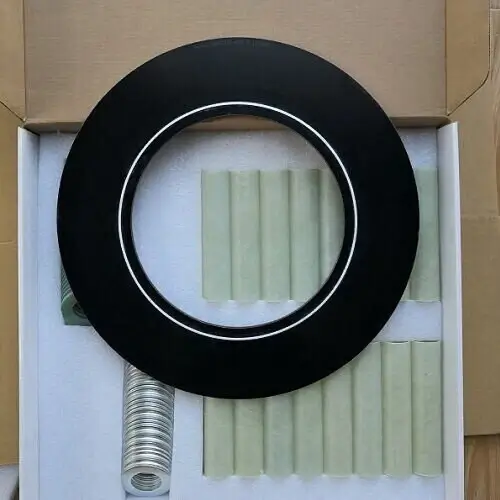
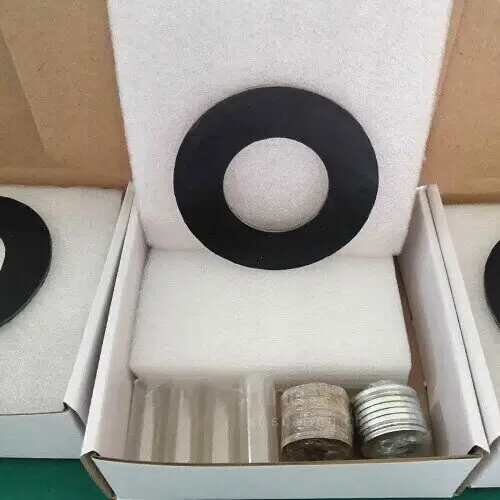
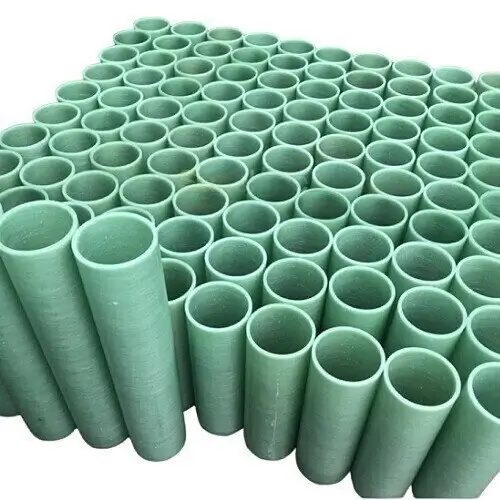
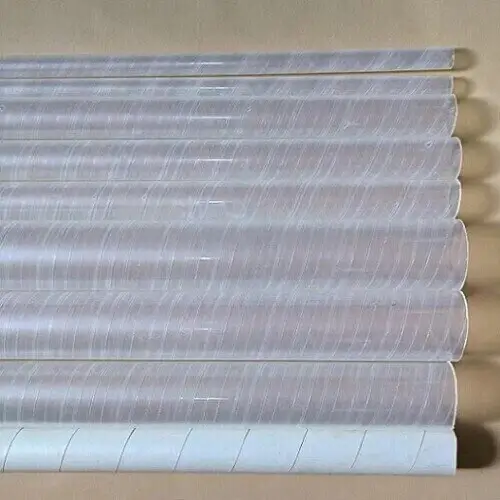
What maintenance is required for neoprene-faced phenolic gaskets? If you are preparing a refinery turnaround, a wastewater upgrade, or a chemical plant expansion, that question usually appears when a procurement team compares insulated flange kits and worries about leaks, bolt relaxation, and unplanned shutdowns. A maintenance planner may see a gasket that looks intact after twelve months, while a buyer sees a line item that must meet project specifications and arrive with traceable documentation. The gap between those views causes real cost: rushed inspections, over-torqued bolts, damaged facings during storage, and emergency orders that delay commissioning. Neoprene-Faced Phenolic Gaskets combine a rigid phenolic core with a soft neoprene sealing face, so they protect flange insulation and seal against water, mild chemicals, and weather. They are not install-and-forget parts. Their performance depends on correct handling, controlled bolt load, periodic visual checks, and replacement decisions based on service conditions rather than calendar guesswork. This guide gives buyers and maintenance teams a practical maintenance plan, inspection intervals, torque checkpoints, storage rules, and a replacement matrix. It also shows how Ningbo Kaxite Sealing Materials Co., Ltd. supports specification review, batch traceability, and fast sample approval so your team can plan maintenance with confidence.
A purchasing team can approve the right gasket specification, yet a warehouse issue can still create failures: cartons stored near a loading dock, neoprene facings exposed to oil mist, phenolic cores chipped during unpacking, and labels lost before installation. Maintenance starts before the flange is opened. The practical solution is a simple receiving and pre-installation check that keeps the sealing face clean, protects the core from impact, and confirms that the delivered part matches the line service. Ningbo Kaxite Sealing Materials Co., Ltd. supports this step with batch identification and technical data so buyers can connect each gasket to its project documentation.
| Parameter | Recommended target | Why it matters | Procurement action |
|---|---|---|---|
| Facing condition | Clean, matte, no oil film | Oil and dirt reduce sealing reliability | Reject cartons with visible contamination |
| Core condition | No chips, cracks, or delamination | Damaged phenolic cores weaken bolt load support | Inspect before signing delivery |
| Storage temperature | 15-25 C, dry, shaded | Heat and UV age the neoprene face | Add storage conditions to purchase order |
| Traceability | Batch number linked to data sheet | Speeds maintenance audit and replacement | Request lot-level documentation |

Walk through a process area after a temperature swing and you may see the first sign of trouble: a faint weep at a flange edge, rust staining near a bolt, or a gasket face that looks compressed on one side. If maintenance waits for a drip, the repair often becomes a shutdown task. The solution is a short, repeatable inspection route with clear acceptance limits. Train operators to look for changes in appearance, smell, and residue, then route findings to the maintenance planner. Ningbo Kaxite Sealing Materials Co., Ltd. helps buyers set the right replacement point by supplying material data that matches the actual chemical and thermal duty.
| Check item | Frequency | Tool or method | Acceptance limit | Action |
|---|---|---|---|---|
| Visible weeping | Weekly in critical service | Visual, dry cloth wipe | No liquid film | Plan re-torque or replacement |
| Facing cracks | Monthly | Flashlight and mirror | No crack deeper than 0.5 mm | Replace gasket |
| Bolt corrosion | Monthly | Visual inspection | No heavy scaling | Clean and protect threads |
| Flange gap change | Quarterly | Feeler gauge | Uniform gap around flange | Investigate compression loss |
One of the most common scenes in a plant is a technician adding "just a little more" torque after a minor weep. That quick fix can crush the neoprene face, distort the phenolic core, and create a leak path on the opposite side. The solution is a controlled torque procedure based on the gasket size, bolt lubricant, and flange condition. Re-torque only after the system has cooled to the specified condition, and use a calibrated wrench. Ningbo Kaxite Sealing Materials Co., Ltd. can review flange kits and gasket dimensions with buyers so the torque plan fits the actual assembly, not a generic shop habit.
| Parameter | Target | Tolerance | Verification |
|---|---|---|---|
| Bolt preload | Per engineering specification | +/- 5% | Calibrated torque wrench |
| Tightening pattern | Star or crisscross sequence | Two passes minimum | Marked bolts and sign-off |
| Compression set | Uniform facing contact | No visible over-crush | Visual check after disassembly |
| Re-torque timing | After first thermal cycle | At ambient condition | Maintenance work order record |
A buyer may specify a gasket for water service, then a process change introduces a solvent splash, steam cleaning, or higher line temperature. The gasket may still look acceptable, while the neoprene face slowly swells or hardens. The solution is to review exposure during every management-of-change cycle and adjust inspection frequency when chemistry or temperature changes. Keep a simple service log and compare it with the gasket data sheet. Ningbo Kaxite Sealing Materials Co., Ltd. helps procurement teams confirm compatibility before the next order so maintenance is not based on outdated assumptions.
| Exposure | Maintenance check | Warning limit | Recommended action |
|---|---|---|---|
| Water and mild chemical splash | Monthly visual check | Softening or color change | Clean and monitor |
| Oil and solvent mist | Weekly wipe check | Swelling or tacky face | Replace if swelling persists |
| Steam cleaning | After each cleaning cycle | Face lifting or blistering | Shield flange and inspect |
| Elevated temperature | Thermal cycle review | Hardening or cracks | Confirm material grade |
The least visible failure often starts in the storeroom. A box sits in sunlight, a heavy flange kit is stacked on top of gaskets, or a worker drags a pallet across a rough floor. The neoprene face picks up a compression mark, and the phenolic core develops a hairline crack that only appears after bolting. The solution is disciplined storage: flat support, clean shelves, protection from UV and ozone, and no stacking that puts weight on the sealing face. Ningbo Kaxite Sealing Materials Co., Ltd. can supply packaging and labeling that help receiving teams keep batches separate and ready for planned maintenance.
| Storage condition | Target | Symptom of poor control | Corrective action |
|---|---|---|---|
| Light exposure | Dark, shaded area | Facing discoloration | Move to closed cabinet |
| Stacking | Flat, no face load | Permanent indentation | Use shelf dividers |
| Humidity | Dry, stable room | Label damage and rust on bolts | Control humidity and inspect |
| Handling | Lift, do not drag | Chips on phenolic edges | Train receiving staff |
Required maintenance includes pre-installation inspection, clean storage, controlled bolt torque, periodic visual checks for weeping or facing cracks, and replacement when the neoprene face shows swelling, hardening, blisters, or deep compression marks. In normal indoor service, check flanges monthly and after the first thermal cycle. In chemical splash, steam cleaning, or outdoor service, increase checks to weekly and keep a service log. Do not re-torque a hot flange or add torque to stop a weep without reviewing the cause. If a leak returns after correct re-torque, replace the gasket rather than repeat the same adjustment.
Replace based on condition, not only on time. A planned replacement interval of 12 to 24 months is common for clean, dry indoor service, but the actual trigger should be inspection findings: persistent weep, cracked facing, core damage, chemical swelling, or loss of bolt load. For corrosive or high-cycle service, review at 6 to 12 months. Keep a replacement record linked to batch number and line condition. Buyers should order spare gaskets with the same specification and documentation so maintenance teams avoid mixing old and new batches during an outage.
If your team needs a reliable maintenance plan, start with the right gasket and the right documentation. Ningbo Kaxite Sealing Materials Co., Ltd. supports buyers with specification review, flange insulation gasket kits, batch traceability, technical data sheets, and responsive sample coordination for approval. Visit https://www.flange-insulation-gasket-kits.com to review product options, or email [email protected] with your line conditions, drawings, and maintenance schedule. Send your questions today and let the team help you reduce leak risk, simplify spare-part planning, and keep your next turnaround on schedule.
Smith, J. A., & Patel, R. (2019). Compression creep of phenolic composite gaskets in flange joints. Journal of Pressure Vessel Technology, 141(4).
Brown, L. M., et al. (2020). Neoprene facings for chemical-resistant gaskets: Swelling and recovery behavior. Sealing Technology, 2020(7).
Garcia, M., & Chen, H. (2018). Bolt torque retention in insulated flange connections. International Journal of Pressure Vessels and Piping, 165.
Wilson, P. R. (2021). Thermal aging of phenolic resin-based gasket materials. Polymer Degradation and Stability, 188.
Kumar, S., & Li, Y. (2017). Leakage resistance of elastomer-faced composite gaskets under cyclic loading. Journal of Materials Engineering and Performance, 26(9).
Thompson, D., & Zhao, Q. (2022). Inspection intervals for gaskets in corrosive process service. Process Safety Progress, 41(2).
Anderson, K., et al. (2016). Effect of storage conditions on neoprene elastomer performance. Rubber Chemistry and Technology, 89(3).
Martinez, E., & Wang, F. (2023). Flange insulation gasket maintenance and asset reliability. Journal of Loss Prevention in the Process Industries, 81.
Robinson, C. A. (2015). Creep relaxation of phenolic laminates under bolt preload. Composites Part B: Engineering, 78.
Lee, J., & Novak, P. (2020). Chemical compatibility screening for elastomer-faced gaskets. Chemical Engineering Research and Design, 159.
-