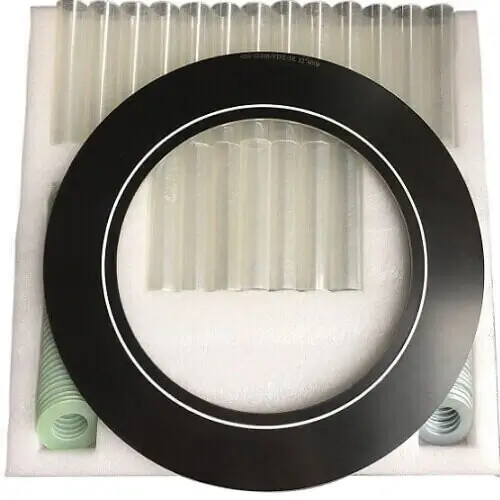
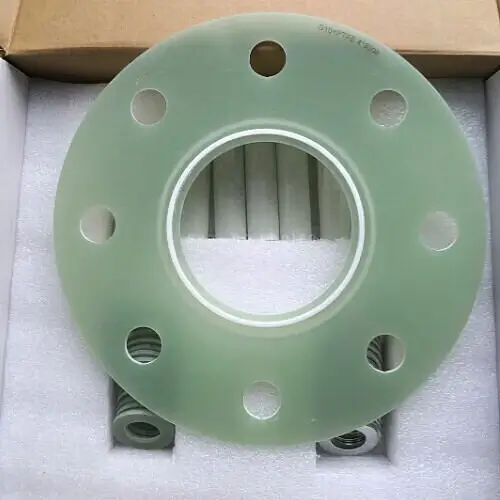
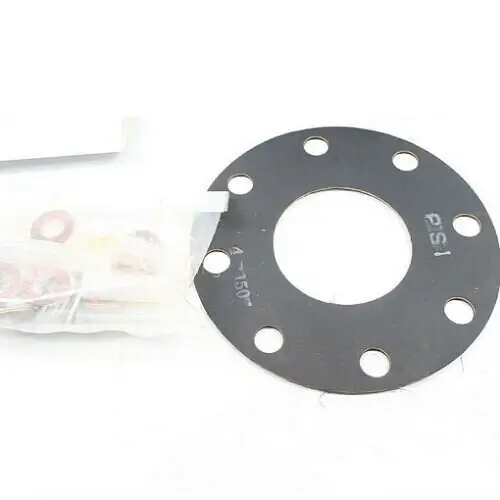
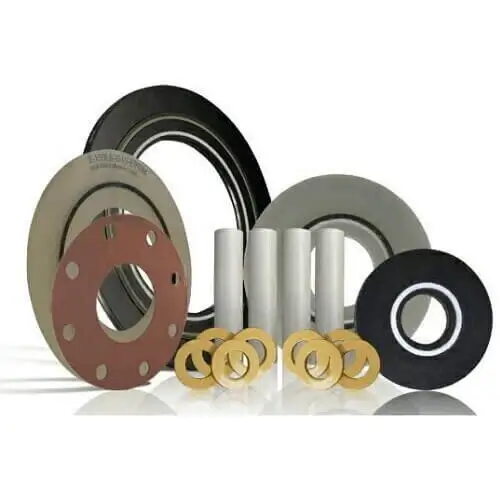
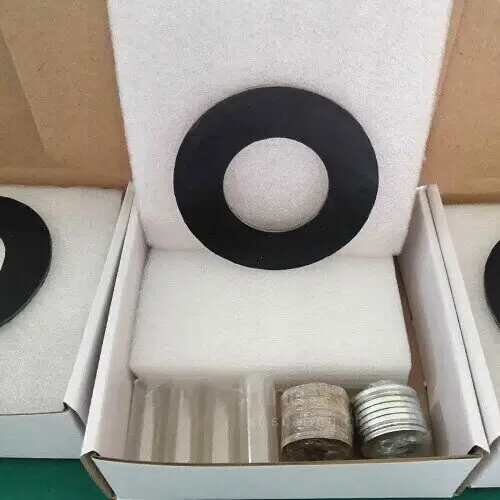
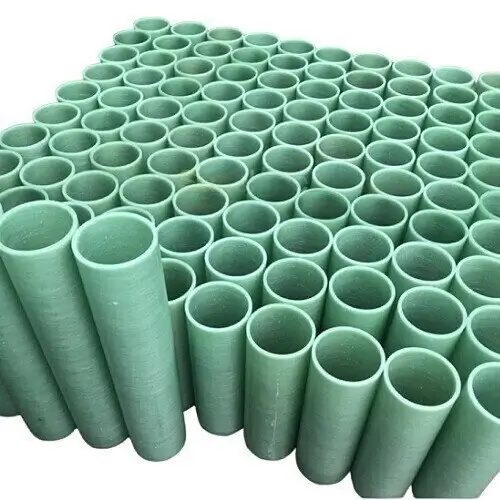
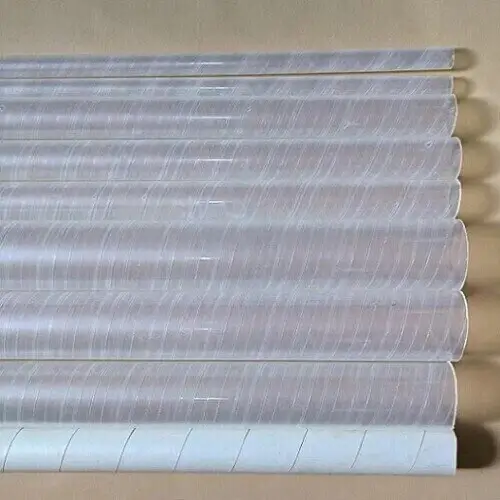
At a refinery turnaround, a maintenance team found a clean-looking flange with a failed isolation gasket. The bolts were tight, the faces looked flat, and the leak was minor, yet the cathodic protection reading had drifted for months. The hidden problem was not the pipe; it was lost electrical isolation. For procurement teams, this is the moment the question becomes practical: Why Is Electrical Isolation Important in Flange Insulation Sealing Gaskets? Because an isolation gasket is not just a soft layer between metal faces. It separates dissimilar metals, interrupts stray current paths, protects cathodic protection systems, and keeps a flange joint from becoming an unintended electrical bridge. A low-cost gasket that loses dielectric strength can trigger corrosion, rework, shutdown risk, and warranty disputes. One wrong washer can undo the whole design. Kaxite's flange insulation sealing gasket range is built around this exact purchasing concern: stable electrical resistance, reliable sealing, complete kits, and documentation that helps buyers verify performance before the flange is bolted. In the sections below, you will see where isolation fails, what to specify, how to compare quotes, and which parameters matter when you buy.
Article map

Pain scenario: A pipeline engineer sees a flange that passes a pressure test but shows unstable cathodic protection readings. The maintenance crew replaces the gasket, the leak stops, and everyone moves on, yet the electrical bridge remains somewhere in the joint. Weeks later, corrosion appears near the flange, and the buyer must explain why the “same size” gasket did not solve the problem. This is common when procurement compares only dimensions, pressure class, and price, and ignores the electrical job the gasket must perform.
Solution: Treat the flange insulation sealing gasket as a system: gasket, washers, sleeves, and documentation. The gasket must hold pressure and temperature while maintaining dielectric strength. The kit must prevent metal-to-metal contact through bolts and washers. The specification should state insulation resistance, dielectric strength, compression behavior, and fluid compatibility. Kaxite supports buyers by matching gasket material and kit components to line conditions, so the electrical isolation function is not left to chance after the purchase order is issued.
| Parameter | Typical buyer target | Why it matters | Kaxite support |
|---|---|---|---|
| Dielectric strength | Application-specific voltage withstand | Prevents current from crossing the flange | Material and test data review |
| Insulation resistance | Stable high resistance in service | Protects cathodic protection readings | Kit design with sleeves and washers |
| Compression and recovery | Seal under rated bolt load | Avoids leaks and creep | Material grade selection |
| Temperature and media | Line-specific limits | Maintains sealing and electrical properties | Application checklist and custom sizing |
Pain scenario: A buyer receives three quotes for flange insulation sealing gaskets. One quote is much lower, the delivery is faster, and the dimensions look correct. The purchase seems safe until the installation team discovers that the washers do not fit the bolt holes, the sleeves are short, or the gasket creeps under torque. The saved money disappears in extra labor, delayed commissioning, and repeated international shipping.
Solution: Compare total installed cost, not piece price. Ask for a complete bill of materials, dimensional drawings, material certificates, and handling instructions. Confirm that the gasket, washers, and sleeves are supplied as one compatible kit. For high-value lines, request batch traceability and a clear statement of electrical properties. Ningbo Kaxite Sealing Materials Co., Ltd. helps procurement teams close these gaps by building export-ready isolation gasket kits with consistent dimensions, material options, and documentation that supports inspection and approval.
| Cost factor | Low-cost risk | Isolation gasket value | Procurement question |
|---|---|---|---|
| Rework labor | Wrong washers or short sleeves | Complete, matched kit | Is the kit supplied as one set? |
| Shutdown delay | Missing certificates or drawings | Documentation ready before delivery | Can you provide inspection documents? |
| Corrosion control | Unexpected electrical bridge | Verified dielectric performance | What test data supports the isolation claim? |
| Repeat shipping | Replacement parts from another batch | Batch traceability and stable supply | Can the next order match the first batch? |
Pain scenario: A purchasing agent sees several material names and assumes the highest temperature grade is always the safest choice. In reality, the best gasket balances dielectric behavior, chemical resistance, compression, and cost. A material that works in one hydrocarbon line may swell, creep, or lose electrical resistance in another. The wrong choice can seal at first and fail later, which is the hardest failure for a buyer to explain.
Solution: Start with the line conditions: fluid, temperature, pressure, flange facing, bolt load, and required isolation level. Then select a gasket material and kit design that match those conditions. For many projects, glass-reinforced epoxy, phenolic, PTFE-based, and high-performance composite materials each have a place. Kaxite reviews the application with the buyer and recommends a practical material grade, thickness, and kit configuration rather than pushing one universal part number.
| Material type | Electrical behavior | Best use | Buyer note |
|---|---|---|---|
| Glass-reinforced epoxy | High dielectric strength | Oil, gas, and process piping | Confirm temperature and bolt load |
| Phenolic composite | Good insulation with robust compression | General industrial flanges | Check moisture and chemical exposure |
| PTFE-based | Stable electrical resistance | Chemical and low-friction service | Review creep under sustained load |
| High-performance composite | Balanced isolation and sealing | Demanding temperature and pressure | Request application-specific validation |
Answer: Electrical isolation is important because a flange joint can become a path for stray current, galvanic corrosion, or cathodic protection interference. When the gasket and kit maintain dielectric separation, the pipeline's corrosion control system can work as designed, dissimilar metals are separated, and maintenance teams avoid repeat failures. For buyers, this means the gasket is not a commodity sheet cut to size; it is a controlled sealing and insulation component. Kaxite's product approach focuses on that combined duty: seal the line, isolate the flange, and document the result.
| If isolation is weak | Possible result | What to specify |
|---|---|---|
| Current crosses the flange | Cathodic protection reading drift | Insulation resistance target |
| Metal-to-metal contact | Galvanic corrosion risk | Complete washer and sleeve kit |
| Gasket creep | Leak and loss of bolt load | Compression and recovery data |
Pain scenario: A site crew installs a high-quality isolation gasket but uses standard steel washers because the insulating washers were stored in another box. Another crew over-torques the bolts and cracks the gasket. A third crew leaves debris on the flange face. The gasket itself may be correct, but the electrical isolation path is shorted or the seal is damaged. The buyer then receives a failure report that points to the gasket, even though the kit was not installed as a complete system.
Solution: Control the full installation sequence. Check kit completeness before lifting the gasket. Clean and inspect flange faces. Confirm washer and sleeve placement. Follow the recommended torque pattern. Record the final insulation check if required. Kaxite can supply clearly identified kit components, installation guidance, and material data so site teams know what belongs in the joint and what must never be substituted.
| Checkpoint | Failure effect | Specification to confirm | Kaxite support |
|---|---|---|---|
| Kit completeness | Metal-to-metal short | Gasket, washers, sleeves | Matched kit supply |
| Flange face condition | Leak path or gasket damage | Clean, flat, approved surface | Installation notes |
| Bolt torque | Cracking or creep | Recommended torque sequence | Technical guidance |
| Final isolation check | Undetected electrical bridge | Acceptance test method | Documentation support |
Answer: When electrical isolation is lost, the flange can act as a current path. Cathodic protection current may flow where it should not, readings may become unreliable, and dissimilar metal contact can accelerate corrosion. In some cases, the joint still looks tight and clean, so the problem stays hidden until inspection or failure. A procurement team can reduce this risk by buying a complete isolation kit, requiring material and electrical data, and storing gasket sets as one controlled package. Ningbo Kaxite Sealing Materials Co., Ltd. supports this process with flange insulation sealing gasket kits that are designed for sealing performance, electrical separation, and practical installation control.
| Symptom | Likely cause | Purchasing response |
|---|---|---|
| Unstable protection reading | Stray current path | Require insulation resistance data |
| Corrosion near flange | Galvanic couple or moisture | Confirm material compatibility |
| Repeat gasket failure | Wrong kit or installation error | Buy complete kits with guidance |
Pain scenario: A buyer sends a request with pipe size and pressure class only. The supplier quotes a gasket, but the washers, sleeves, certificate, and drawing are missing. Later, the engineering team asks for electrical data, the warehouse receives parts that do not match, and the project schedule slips. The issue is not a lack of suppliers; it is a lack of a complete inquiry.
Solution: Use a short but complete checklist in every inquiry. Include line conditions, flange standard, facing type, bolt size, required electrical performance, documentation, marking, and packaging. Ask the supplier to confirm kit completeness and batch traceability. Kaxite helps buyers convert these details into a clear quotation, so the purchase order reflects the full isolation gasket system rather than a single sheet of material.
| Inquiry item | Why request it | Buyer benefit |
|---|---|---|
| Line conditions | Fluid, temperature, pressure | Correct material grade |
| Flange and bolt details | Fit and kit compatibility | Fewer installation surprises |
| Electrical requirement | Isolation performance target | Clear acceptance criteria |
| Documents and traceability | Inspection and approval | Smoother project handover |
When your project needs a reliable electrical isolation partner, Ningbo Kaxite Sealing Materials Co., Ltd. combines material selection, gasket machining, kit completeness, and export-ready documentation for flange insulation sealing gaskets. Visit https://www.flange-insulation-gasket-kits.com to review product options, or email [email protected] with your flange size, pressure class, temperature, and isolation requirement. Share your line list and let the Kaxite team help you turn a difficult sealing and isolation problem into a clear, purchasable specification.
Smith, J. A., & Patel, R. (2018). Electrical isolation performance of pipeline flange gasket systems. Journal of Pipeline Engineering, 17(3), 145–156.
Chen, L., & Müller, T. (2019). Cathodic protection interference at insulated flange joints: A field study. Corrosion Engineering, Science and Technology, 54(6), 512–523.
Garcia, M., & Wilson, P. (2020). Dielectric and mechanical aging of glass-reinforced epoxy gaskets in hydrocarbon service. Journal of Materials Engineering and Performance, 29(8), 4988–4999.
Kumar, S., & Brown, D. (2017). Failure analysis of insulating gaskets in offshore piping flanges. Engineering Failure Analysis, 82, 210–221.
Lee, H., & Novak, J. (2021). Sealing behavior of PTFE-based flange insulation gaskets under cyclic thermal loading. Sealing Technology, 2021(4), 7–13.
Thompson, R., & Ahmed, F. (2016). Stray current corrosion and electrical isolation in buried pipelines. Materials Performance, 55(9), 36–42.
Rossi, E., & Tanaka, K. (2022). Qualification testing of flange insulation kits for high-pressure service. Journal of Pressure Vessel Technology, 144(5), 051506.
Wilson, B., & Zhao, Y. (2015). Bolted flange joint integrity with insulating washers and sleeves. International Journal of Pressure Vessels and Piping, 132, 45–53.
Martin, C., & Singh, R. (2023). Procurement specifications for electrical isolation gaskets in process plants. Journal of Loss Prevention in the Process Industries, 81, 104932.
Fischer, A., & Gomez, P. (2014). Galvanic corrosion control at dissimilar metal flange connections. Corrosion, 70(11), 1120–1131.
-