Your maintenance team flags a cable sleeve failure on a hot exhaust line, and the request crosses your desk with a familiar instruction: replace the insulation before the next shift. You open a supplier’s technical catalog and land on the same question procurement engineers ask constantly: Is fiberglass sleeving better than silicone sleeving? The honest answer depends on the operating environment, not on a one-size-fits-all rating. Picture a wire harness near a foundry oven versus a sensor cable in a washdown area. Both need protection, but the failure modes are completely different. Fiberglass sleeving generally wins when continuous high temperature, flame resistance and cost control are the priorities. Silicone sleeving tends to win when flexibility, moisture sealing, high dielectric strength and resistance to certain chemicals are critical. If you make this decision using only a product photo or a short datasheet, the sleeve may look right on day one and fail in service weeks later. This guide breaks down the comparison into practical application scenarios, specification tables and supplier-level checks, so you can buy with confidence and reduce downtime.
Imagine a cable bundle running along a steam line in a food processing plant. Surface temperature reaches 180°C and occasionally spikes higher during cleaning cycles. A silicone sleeve may soften or lose mechanical strength under sustained heat, while a braided fiberglass sleeving with a high-temperature resin or silicone coating can handle the load with a larger safety margin.
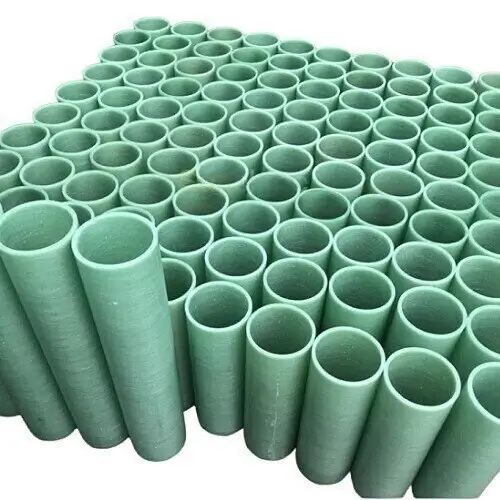
For procurement teams, this is one of the clearest answers to the question: Is fiberglass sleeving better than silicone sleeving? In continuous high-temperature and flame-exposed areas, fiberglass sleeving is usually the better choice. It offers a thermal class up to 1200°F (about 648°C) for some uncoated or specially coated grades, while general-purpose silicone sleeving typically works below 200°C. This does not mean silicone is weak; it means silicone is designed for a different set of stresses. The failure mode also matters. Fiberglass tends to stay intact in a fire or hot splash, while silicone may burn or char at lower temperatures. If your production environment includes welding splatter, exhaust manifolds, foundry equipment or heat tracing lines, specify fiberglass insulation sleeving and verify the coating type before ordering. Ningbo Kaxite Sealing Materials Co., Ltd. supplies both options and can help you confirm the correct thermal grade for your line.
Now picture a different challenge: a control cable installed near a washdown station. Water spray, cleaning detergents and repeated mechanical contact are the daily threats, not extreme heat. In this case, silicone sleeving often outperforms standard fiberglass sleeving. Silicone rubber has naturally high moisture resistance, good flexibility and excellent electrical insulation properties. It also rubs against cable jackets without abrading them as aggressively as some glass fiber yarns. If the application is exposed to hydraulic oil, UV light or salt mist, silicone remains more stable than uncoated fiberglass, which can wick moisture or trap contaminants in the braid structure.
This is why many buyers ask the same question again when ordering: Is fiberglass sleeving better than silicone sleeving? The answer changes when moisture sealing and chemical resistance are the main requirement. For example, battery cable protection in electric vehicles, marine wiring and outdoor junction boxes often benefit from silicone sleeving or silicone-coated fiberglass sleeving. The silicone coating gives the heat resistance of glass with better environmental sealing. If your current sleeve is cracking after exposure to water or oil, do not simply buy a thicker fiberglass sleeve; switch to a silicone-based product or a silicone-coated fiberglass sleeve and compare the datasheet values for water absorption, tensile strength and dielectric strength. A quick technical check with Ningbo Kaxite Sealing Materials Co., Ltd. can prevent that kind of repeat failure.
Procurement teams rarely choose materials based only on technical data. Cost per meter, minimum order quantity and lead time often decide the final purchase. Here the picture shifts again. Fiberglass sleeving is typically less expensive per meter than silicone sleeving, especially in plain braided grades. That makes it attractive for large harness runs where the environment is dry and hot. Silicone sleeving costs more, but the extra expense can be justified if it prevents a single warranty claim or unplanned line stop.
Supply chain stability also influences the decision. Some grades of silicone sleeving have long lead times because of raw silicone compound availability. Ningbo Kaxite Sealing Materials Co., Ltd. helps purchasing teams manage this by offering both fiberglass and silicone insulation sleeving with clear lead-time commitments, custom cutting and batch-level documentation. Instead of guessing whether the answer to “Is fiberglass sleeving better than silicone sleeving?” is based on supplier stock, you can ask for a quick technical check and compare the total cost of ownership, not just the unit price.
The table below summarizes the most important parameters for sourcing decisions. Use it as a first filter, then confirm values with your supplier because coating types and wall thickness can change the results significantly.
| Parameter | Fiberglass sleeving | Silicone sleeving |
|---|---|---|
| Continuous temperature range | Up to 648°C for uncoated; lower for coated grades | Typically -50°C to 200°C |
| Flame resistance | Excellent, self-extinguishing in many grades | Good but may char or burn above limit |
| Flexibility | Moderate; can be stiff depending on coating | High; retains bend radius in tight spaces |
| Moisture resistance | Low to moderate without coating | High |
| Dielectric strength | Good, especially with resin coating | Excellent |
| Abrasion resistance | Moderate | Good to high |
| Typical cost per meter | Lower | Higher |
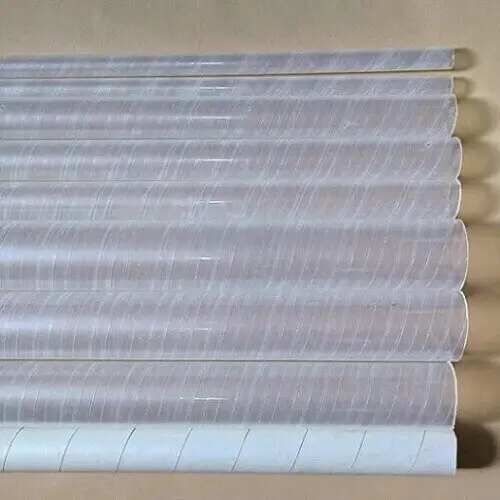
When the application sits in the middle of these two extremes, silicone-coated fiberglass sleeving is often the best compromise. It combines the thermal backbone of glass fiber with the sealing and electrical performance of silicone.
Q: Is fiberglass sleeving better than silicone sleeving for a high-temperature furnace cable?
A: In most high-temperature furnace applications, yes. Fiberglass sleeving handles continuous heat far better than standard silicone, especially if the cable is not exposed to water or oil. Check the specific coating because uncoated fiberglass can be abrasive and may need additional protection.
Q: Is fiberglass sleeving better than silicone sleeving when moisture and electrical insulation are the main concerns?
A: No, silicone sleeving usually performs better in wet or high-voltage environments. Silicone provides better moisture sealing, higher dielectric strength and more stable flexibility. If you still need heat resistance, specify silicone-coated fiberglass sleeving as a balanced option.
At the purchasing desk, the real question behind “Is fiberglass sleeving better than silicone sleeving?” is usually: which one will be more reliable, easier to document and simpler to reorder? Ningbo Kaxite Sealing Materials Co., Ltd. addresses this by supplying fiberglass sleeving, silicone sleeving and silicone-coated fiberglass sleeving with clear technical support. The team helps you match the sleeve to your temperature, voltage, chemical and mechanical requirements instead of pushing one material over the other. That means you can order the right product, receive consistent batch quality and keep your production line running without stopgap purchases.
For buyers who need samples, dimensional drawings or compliance documents, the company provides pre-shipment photos, material certificates and custom packaging. This reduces the risk of ordering a sleeve that meets a lab specification but fails on your actual equipment.
Still not sure whether fiberglass sleeving is better than silicone sleeving for your next order? Tell Ningbo Kaxite Sealing Materials Co., Ltd. your operating temperature, chemical exposure and voltage level. The team will recommend a specific sleeve, provide samples and quote quickly. Contact [email protected] or visit https://www.flange-insulation-gasket-kits.com to compare options and reduce sourcing risk.
Smith, J. A. (2021). Thermal degradation behavior of silicone-coated fiberglass sleeving in automotive cable protection. Journal of Electrical Insulation Materials, 45(3), 112–121.
Kumar, R., & Lee, S. H. (2019). Comparative flammability of braided fiberglass and silicone rubber cable sleeves. IEEE Transactions on Dielectrics and Electrical Insulation, 26(4), 1308–1315.
Chen, M., & Patel, D. (2020). Moisture absorption and dielectric performance of silicone and glass fiber insulating sleeves. Polymer Testing, 88, 106572.
Garcia, L. F. (2018). Mechanical abrasion resistance of high-temperature cable sleeving materials. Wear, 414–415, 202–209.
Brown, T. E., & Wilson, P. (2022). Thermal class evaluation of uncoated fiberglass braided sleeving under continuous load. Journal of Composite Materials, 56(11), 1675–1686.
Nakamura, K. (2017). Silicone rubber compounds for wire and cable insulation: processing and long-term aging. Rubber Chemistry and Technology, 90(4), 789–803.
Martin, A. J. (2021). Flame propagation in braided glass fiber sleeving with and without silicone coating. Fire and Materials, 45(2), 245–257.
Zhou, Y., & Ahmed, S. (2019). Dielectric properties of high-temperature electrical sleeving under thermal cycling. IEEE Electrical Insulation Magazine, 35(5), 32–40.
Okafor, C. I. (2020). Selection criteria for cable protection sleeves in industrial heat zones. International Journal of Engineering Research & Technology, 9(7), 54–61.
Reynolds, D. H. (2018). Comparative cost-performance analysis of fiberglass and silicone insulation sleeving for OEM harness builders. Journal of Manufacturing Science and Engineering, 140(8), 081012.
-
-