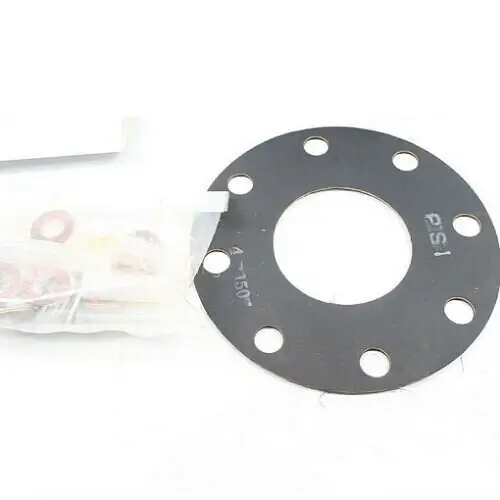
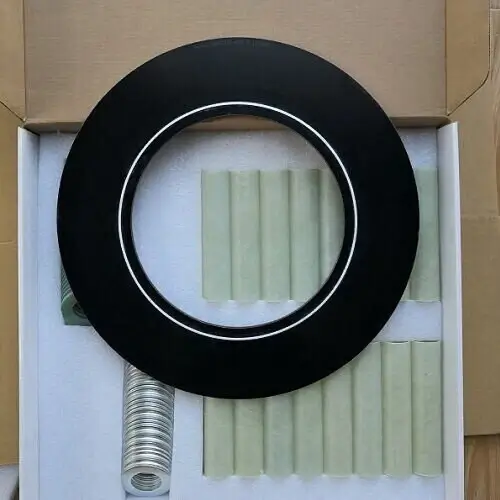
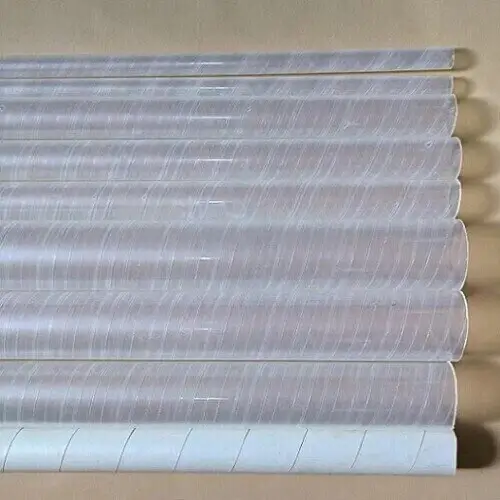
How do you choose the right Flange Insulation Gasket Kit for your application? A procurement engineer at a pipeline contractor faces this question when one wrong kit can stop a flange make-up, fail a continuity test, or create a corrosion path that appears months later. The decision is not simply to pick a G10 sheet and cut it. It combines line voltage, cathodic protection, temperature, pressure, bolting, flange standard, chemical exposure, and traceable documentation. A kit that seals a low-pressure water line may be wrong for a high-temperature gas line or a cathodically protected buried pipeline. The right flange insulation gasket kit must isolate the flange faces, center the bolt holes, protect washers and sleeves, survive installation torque, and arrive with dimensional records that match the flange standard. Procurement teams also need repeatable quality: consistent dielectric strength, low water absorption, clean edges, correct thickness, and certificates that match the purchase order. Ningbo Kaxite Sealing Materials Co., Ltd. builds kits around these selection points, helping buyers compare materials, confirm dimensions, and reduce installation surprises. This article turns the question into a practical selection map, with comparison tables, inspection points, supplier checks, and installation support so your team can choose a kit with confidence and defend that choice in a project review.
Jump to:
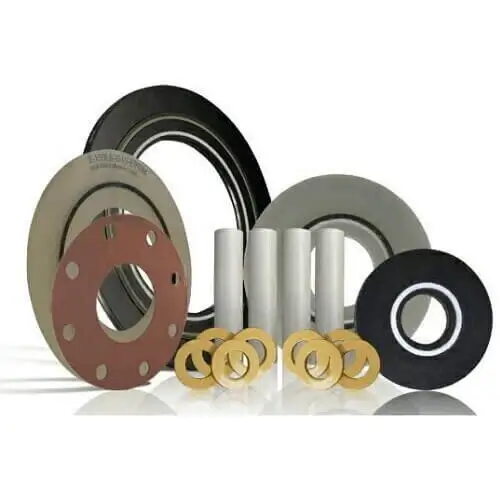
A buyer sends a flange size and asks for a price. The quotation looks simple, but the field problem is hidden: the line is cathodically protected, the operating temperature cycles, and the bolt holes use metric studs with oversized washers. A catalog-only choice can create a kit that fits the bolt circle but fails the electrical isolation or torque check. The solution is to build a selection map before pricing. Record the flange standard, pressure class, face type, line media, operating and design temperature, voltage or cathodic protection requirement, bolt size and quantity, installation torque, and required documentation. Then compare the kit as a system, not as a single gasket. Ningbo Kaxite Sealing Materials Co., Ltd. can review these inputs with your team and translate them into a flange insulation gasket kit specification that matches the project rather than a generic stock list.
| Selection parameter | Procurement question | Effect on kit choice |
|---|---|---|
| Electrical isolation | Is the flange under cathodic protection or a stray-current risk? | Sets gasket material, washer and sleeve design, and dielectric test expectations. |
| Temperature | What is the continuous and peak operating temperature? | Limits resin systems and elastomer options; affects creep and torque retention. |
| Pressure class | What flange standard and pressure class govern the joint? | Controls thickness, compressive strength, and sealing face geometry. |
| Line media | Is the service water, gas, oil, chemical, or steam? | Drives chemical resistance and any special liner or coating review. |
| Bolting | What stud size, washer OD, and sleeve length are required? | Prevents shorts at bolt holes and avoids field trimming. |
| Documentation | Does the project require material traceability and dimensional reports? | Defines inspection records, packing labels, and certificate scope. |
The pain appears when a kit works at ambient conditions but swells, cracks, or loses torque in hot service. A maintenance team may blame installation, while the real issue is a material mismatch. The solution is to compare dielectric strength, temperature range, water absorption, compressive behavior, and chemical resistance before approving the kit. G10 and FR4 laminates are common for isolation gaskets because they offer good mechanical strength and electrical resistance. Phenolic materials may suit some oil and gas duties, while PTFE and elastomer options may fit lower-load or chemical-specific applications. The procurement decision should tie each material to the actual line condition, not just the lowest price. Ningbo Kaxite Sealing Materials Co., Ltd. helps buyers review these trade-offs and select a flange insulation gasket kit that supports both sealing and long-term isolation.
| Material type | Typical strength | Service consideration | Procurement check |
|---|---|---|---|
| G10 and FR4 laminate | Good dielectric and mechanical performance | Common for general isolation and moderate temperature | Confirm grade, thickness, and moisture absorption data. |
| Phenolic laminate | Good compressive strength | Used in some oil and gas isolation duties | Verify chemical compatibility and temperature limits. |
| PTFE | High chemical resistance | Lower mechanical creep resistance in some designs | Check compression load and torque retention. |
| Elastomer or composite seals | Flexible sealing support | Suited to specific media and lower-load joints | Match media, temperature, and gasket seating stress. |
A common field delay starts with a kit that is almost right: the gasket OD clears the flange, but the sleeve is slightly long, or the washer OD is too small for the spot face. The crew stops work, the flange remains open, and the schedule slips. The solution is to approve a dimensional drawing before production. Confirm gasket ID and OD, bolt circle, hole diameter, thickness, centering ring dimensions, sleeve length, washer OD, and installation torque. Thickness affects compression and bolt load, so it must match the joint design and not be treated as a minor substitution. A torque review should include the lubricant, bolt material, and tightening sequence, because isolation kits change the joint stack. Ningbo Kaxite Sealing Materials Co., Ltd. can support drawing review and kit matching so the flange insulation gasket kit arrives ready for the specific flange standard and bolting arrangement.
| Dimension or setting | Why it matters | Acceptance check |
|---|---|---|
| Gasket ID and OD | Controls sealing face contact and media exposure | Compare against flange drawing and pressure class. |
| Bolt hole and bolt circle | Ensures alignment without field drilling | Check stud fit and hole pattern before shipment. |
| Gasket thickness | Affects compression, bolt load, and joint stiffness | Verify against approved joint design. |
| Sleeve length and washer OD | Prevents electrical contact and improves load distribution | Confirm with bolt size and spot-face dimensions. |
| Installation torque | Supports sealing without crushing the isolation material | Use approved torque values and sequence. |
The gasket may pass inspection while a washer cracks during tightening or a sleeve deforms under load. That is why a flange insulation gasket kit should be reviewed as a complete assembly. The pain point is a field failure that appears after the joint is closed, when replacement parts are far away. The solution is to inspect every component against its function: the gasket isolates faces, the washers isolate nuts and bolt heads, the sleeves isolate studs, and centering rings or locating details help alignment. Edges should be clean, holes should be burr-free, and materials should match the approved specification. Procurement teams can request a component-level checklist before release. Ningbo Kaxite Sealing Materials Co., Ltd. can provide kit-level review and packing control so the flange insulation gasket kit is complete, matched, and traceable when it reaches the site.
| Kit component | Failure risk | Inspection point |
|---|---|---|
| Isolation gasket | Cracked edges, wrong thickness, poor hole alignment | Check dimensions, flatness, and clean machining. |
| Insulating washers | Cracking or compression set | Verify material, OD, thickness, and load capacity. |
| Insulating sleeves | Short fit or deformation that allows contact | Confirm length, wall thickness, and stud fit. |
| Centering or locating parts | Misalignment during make-up | Check fit with flange and bolt pattern. |
| Packing and labels | Mixed sizes or missing traceability | Match label, purchase order, and kit list. |
A low-price kit can become expensive when the project asks for material certificates and none are available. The buyer then faces re-inspection, delayed release, or a nonconformance report. The solution is to define the documentation package before the order is placed. Ask for material certificates, dimensional inspection records, dielectric test reports where required, packing lists, and traceability to the batch or purchase order. For procurement teams serving oil and gas, water, power, or chemical projects, clear documentation protects the approval trail and supports future audits. Ningbo Kaxite Sealing Materials Co., Ltd. can align the documentation scope with your project requirements and help reduce back-and-forth during vendor review. The result is a flange insulation gasket kit that meets the technical need and the commercial record.
| Document or check | What it proves | Procurement value |
|---|---|---|
| Material certificate | Material grade and batch traceability | Supports project approval and audit review. |
| Dimensional report | Kit matches approved drawing | Reduces field fit-up risk. |
| Dielectric test report | Electrical isolation performance | Useful for cathodic protection and voltage isolation checks. |
| Packing list and labels | Correct quantity, size, and kit identity | Prevents mixed parts at the warehouse. |
| Installation data | Torque and handling guidance | Supports correct make-up by the field crew. |
Q: How do you choose the right flange insulation gasket kit for your application when one project includes different pressures, temperatures, and media?
A: Build a line-by-line selection table instead of one standard kit for every flange. Group similar services, then assign material, thickness, bolting, and documentation to each group. For high-temperature or cycling lines, review creep and torque retention. For cathodic protection, confirm dielectric performance and full bolt isolation. For chemical service, check media compatibility before approving the gasket and washers. Ningbo Kaxite Sealing Materials Co., Ltd. can help consolidate these groups into a clear kit schedule so procurement avoids over-specifying some lines while under-specifying critical ones.
| Line condition | Procurement action | Why it matters |
|---|---|---|
| High temperature or thermal cycling | Review resin system, thickness, and torque retention. | Reduces creep and leakage risk. |
| Cathodic protection | Confirm gasket, washer, and sleeve isolation. | Prevents electrical contact and corrosion risk. |
| Aggressive media | Check chemical compatibility data. | Avoids swelling, cracking, or seal failure. |
Q: How do you choose the right flange insulation gasket kit for your application when several suppliers offer similar drawings and prices?
A: Compare the suppliers on engineering response, dimensional control, material traceability, inspection records, packing quality, and delivery discipline. Ask for a sample kit review, a drawing approval step, and a clear nonconformance process. A supplier that can explain why a material or thickness is recommended is more useful than a supplier that only quotes a size. Ningbo Kaxite Sealing Materials Co., Ltd. supports buyers with application review, kit matching, and documentation coordination so the flange insulation gasket kit is not only priced correctly but also ready for project approval and field installation.
| Supplier check | Question to ask | Expected result |
|---|---|---|
| Engineering review | Can the supplier map line data to kit design? | Clear material and dimension recommendation. |
| Drawing control | Is there a formal approval before production? | Fewer field fit-up issues. |
| Traceability | Can certificates link to the order? | Stronger audit and QA records. |
| Packing control | Are kits labeled by flange and line? | Faster warehouse issue and installation. |
The kit arrives on site, but the crew is unsure about washer orientation, sleeve fit, or torque sequence. The joint is made up, then re-opened for inspection, and the schedule loses time. The solution is to plan installation support before the kit ships. Confirm that faces are clean and dry, align the flange without forcing the kit, install washers and sleeves in the correct order, and follow the approved torque sequence. Store kits in a clean, dry area and keep them protected from oil, dirt, and impact. A pre-installation checklist and a packing plan by line number can reduce confusion. Ningbo Kaxite Sealing Materials Co., Ltd. can support procurement teams with kit identification and installation guidance so the flange insulation gasket kit performs as planned.
| Field step | Risk | Control action |
|---|---|---|
| Flange face preparation | Dirt or oil reduces sealing | Clean and dry both faces before kit placement. |
| Kit alignment | Forced fit damages holes or edges | Check stud and sleeve fit without force. |
| Washer and sleeve order | Electrical contact or uneven load | Follow the approved assembly drawing. |
| Torque sequence | Leak path or gasket crush | Use approved values and cross-pattern tightening. |
| Storage | Moisture, oil, or impact damage | Keep kits sealed and labeled until use. |
Send your flange standard, pressure class, line media, temperature, bolting details, and documentation requirements to Ningbo Kaxite Sealing Materials Co., Ltd. The team can review the application and help specify a flange insulation gasket kit that fits the joint, supports electrical isolation, and arrives with the records your project needs. For product information, visit https://www.flange-insulation-gasket-kits.com, and for a direct procurement discussion, contact [email protected]. Share the drawing and line data with Ningbo Kaxite Sealing Materials Co., Ltd., and the reply can focus on the kit configuration, inspection points, and delivery plan instead of generic catalog numbers.
Abid, M., and Nash, D. H. (2006). A parametric study of metal-to-metal contact flanges with optimised geometry for safe stress and no-leak conditions. International Journal of Pressure Vessels and Piping, 83(1), 23–33.
Nash, D. H., and Abid, M. (2005). Combined external load tests for standard and compact flanges. International Journal of Pressure Vessels and Piping, 82(11), 837–847.
Fessler, H., and Hyde, T. H. (1997). Gasket creep and its effect on bolted flange joint integrity. Journal of Strain Analysis for Engineering Design, 32(4), 281–292.
Kondo, K., and Nishimura, T. (2011). Sealing performance of bolted flange joints with insulating gaskets under thermal cycles. Journal of Pressure Vessel Technology, 133(5), 051201.
Waterhouse, R. B., and Lamb, S. (1989). Cathodic protection and isolation joints in buried pipelines. Materials Performance, 28(7), 45–50.
Guan, F., Zhai, J., and Wang, Y. (2014). Failure analysis of a flange isolation gasket in a natural gas pipeline. Engineering Failure Analysis, 42, 1–9.
Zhang, Y., Li, H., and Chen, J. (2018). Temperature-dependent mechanical behavior of GFRP laminates for electrical insulation. Composites Part B: Engineering, 145, 210–219.
Suresh, S., Ramesh, B., and Kumar, A. (2019). Mechanical and dielectric properties of G10/FR4 composite laminates. Materials Today: Proceedings, 18(7), 3210–3217.
Lee, S. H., Park, J. K., and Kim, D. W. (2020). Leakage and torque behavior of insulated flange joints under thermal cycling. Journal of Pressure Vessel Technology, 142(3), 031402.
Chen, L., Zhou, Q., and Huang, W. (2021). Design and verification of high-voltage flange isolation gaskets for oil and gas facilities. IEEE Transactions on Industry Applications, 57(4), 3980–3988.
-