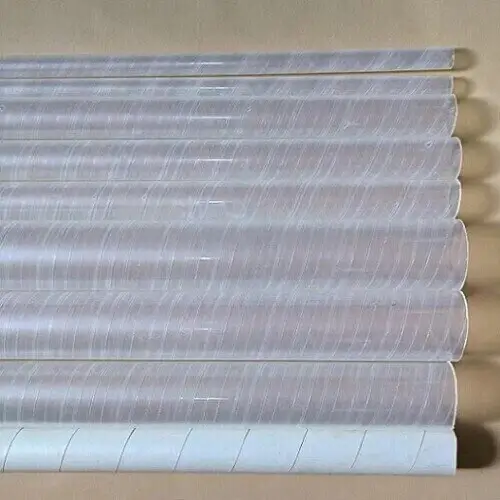
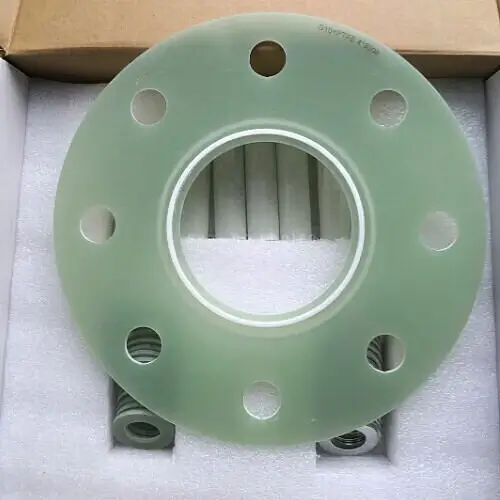
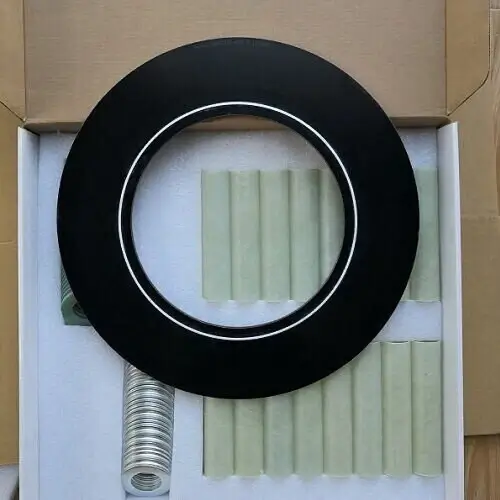
Every year, plant operators, pipeline engineers, and maintenance managers face the same costly question after a shutdown or leak: Where are flange insulation gasket kits typically required? The answer rarely arrives on time. It often appears as pitting on a flange face, a failed cathodic protection system, or an unexpected repair bill. If you buy or maintain flanged connections for oil and gas, water treatment, power generation, chemical processing, or marine infrastructure, this question directly affects your maintenance budget and asset integrity. Flange insulation gasket kits are not generic spare parts. They are precision-engineered isolation barriers installed at specific points where dissimilar metals meet, where pipelines cross between protected and unprotected zones, or where electrical continuity must be broken to stop galvanic corrosion. Missing just one required location can accelerate metal loss, trigger hydrogen-induced cracking, and force unplanned downtime. This practical guide explains the locations, the failure scenarios you are likely facing, and how Ningbo Kaxite Sealing Materials Co., Ltd. supplies reliable insulation kits that prevent these problems before they become emergencies. You will also find field-tested selection parameters, Q&A answers, and installation tips to make your next purchase decision easier. Whether you are replacing a leaking flange or building a new pipeline segment, understanding these typical locations will help you avoid hidden costs.
Table of Contents
Many buyers assume any gasket can isolate a flange. That assumption causes early failures. A standard gasket seals pressure but still allows electrical continuity through the bolts and metal-to-metal contact. A Flange Insulation Gasket Kit includes three critical components: an insulating gasket, insulating bolt sleeves, and insulating washers. The gasket prevents direct electrical contact across the flange face. The sleeves isolate the bolts from the flange, and the washers isolate the nuts. Without all three, the circuit remains closed and corrosion continues. Kits also include steel washers to distribute load and protect the insulating washers. Materials typically include glass-epoxy, phenolic, PTFE, or mica-based composites, depending on temperature, pressure, and chemical exposure.
For example, a glass-epoxy gasket can handle high compressive loads but may absorb moisture in wet environments. A PTFE gasket offers excellent chemical resistance but has lower mechanical strength. A mica-based gasket tolerates extreme heat. Matching the material to the service condition is where many procurement teams struggle. Ningbo Kaxite Sealing Materials Co., Ltd. helps by reviewing your operating data and recommending a kit that fits both the flange rating and the electrical isolation requirement.
The question “Where are flange insulation gasket kits typically required?” has a direct answer: anywhere electrical isolation is needed to prevent corrosion or to separate different pipeline sections. The most common locations include:
In each location, the kit performs the same job: it breaks the metallic path while still sealing the joint. If a flange is in a cathodically protected pipeline and connects to an unprotected branch, an insulation kit is mandatory. If two flanges made of different alloys meet and moisture is present, an insulation kit prevents the less noble metal from corroding. Failing to install one at these points leads to premature wall loss, leaks, and regulatory non-compliance.
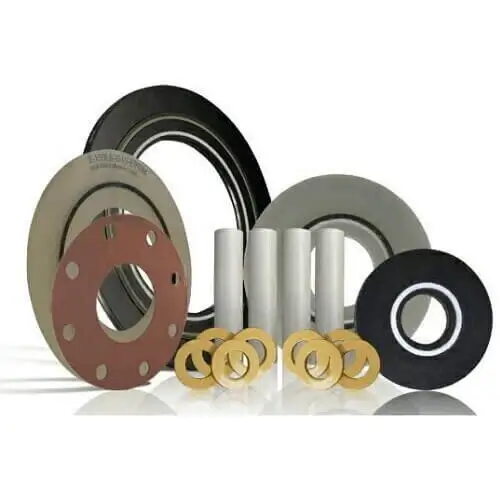
This image shows a typical flange insulation gasket kit layout. The gasket, sleeves, and washers work together to isolate the flange, bolts, and nuts. Procurement teams often overlook the need for matching bolt sleeve lengths or the correct washer outer diameter, which can cause installation failures. Working with a supplier that understands these details, such as Ningbo Kaxite Sealing Materials Co., Ltd., reduces the risk of ordering the wrong configuration.
Scenario: A midstream operator noticed repeated flange leaks in a water injection line. The flanges were carbon steel, but the downstream section included a stainless steel control valve. Within 18 months, the carbon steel flange face showed severe pitting and grooving. Pressure tests failed twice, and the maintenance team replaced flanges during a shutdown that cost over $120,000. The root cause was galvanic corrosion driven by the electrical connection between the two dissimilar metals.
Solution: Installing a flange insulation gasket kit at the carbon steel-to-stainless steel interface broke the electrical circuit. The operator selected a glass-epoxy gasket with PTFE-coated bolt sleeves and insulating washers to handle the line’s 300 psi pressure and 40°C water service. After installation, corrosion stopped, and the next inspection showed no new pitting.
The table below summarizes the key parameters used for this solution:
| Parameter | Specification | Reason |
|---|---|---|
| Gasket material | Glass-epoxy (EP-G10) | High compressive strength and moisture resistance |
| Bolt sleeve material | PTFE | Electrical insulation and chemical compatibility |
| Washer type | Insulating washer + steel washer | Protects sleeve and distributes bolt load |
| Flange rating | ANSI 300 | Matches line pressure class |
| Design temperature | -29°C to 80°C | Water injection service range |
| Leak test | Hydrostatic 1.5 × design pressure | Confirms seal integrity |
Scenario: An offshore platform engineer found moisture and salt deposits around a firewater pump discharge flange. The flange connected a carbon steel spool to a copper-nickel pipe section. Corrosion at the interface had created a pinhole leak during a routine flow test. Because firewater systems are safety-critical, any leak triggers immediate repair and can affect platform certification. The engineer needed a fast replacement kit that would survive salt spray, vibration, and intermittent wet/dry conditions.
Solution: The platform sourced a custom flange insulation gasket kit from Ningbo Kaxite Sealing Materials Co., Ltd. The kit used a mica-filled gasket for high dielectric strength and temperature stability, combined with epoxy-coated bolt sleeves for mechanical toughness. The supplier matched the kit to the flange’s ASME B16.5 Class 150 dimensions and included extra insulating washers to prevent bolt shoulder contact. The repair was completed during a scheduled maintenance window, and the next quarterly inspection confirmed no further corrosion.
Key parameters for offshore firewater applications:
| Parameter | Specification | Reason |
|---|---|---|
| Gasket material | Mica-filled composite | High dielectric strength, flame resistance |
| Bolt sleeve material | Epoxy-coated fiberglass | Mechanical toughness and salt-spray resistance |
| Washer type | Insulating washer + steel washer | Prevents galling and load distribution |
| Flange rating | ASME B16.5 Class 150 | Firewater pump discharge standard |
| Design temperature | -20°C to 120°C | Platform ambient and flow conditions |
| Vibration resistance | Passed 10,000-cycle test | Offshore pump vibration durability |
| Lead time | 48-hour custom shipment | Reduced platform downtime |
Q: Where are flange insulation gasket kits typically required in a pipeline network?
A: They are typically required at any flanged connection where you need to stop electrical current from flowing between two pipe sections or between a pipe and a piece of equipment. This includes interfaces between dissimilar metals, connections between cathodically protected and unprotected pipelines, metering stations, compressor stations, tank farm flanges, offshore riser tie-ins, water treatment plants, and firewater systems. Essentially, if the flange is in a location where galvanic corrosion or stray current is possible, an insulation kit is required. Ningbo Kaxite Sealing Materials Co., Ltd. can help you identify these points from a simple piping and instrumentation diagram.
Procurement teams often struggle with three problems when buying flange insulation gasket kits: wrong material selection, incomplete kits, and long lead times. Ningbo Kaxite Sealing Materials Co., Ltd. addresses all three. The company manufactures gaskets, sleeves, and washers in-house, which allows custom sizing for non-standard flanges and large diameters. Instead of relying on a generic distributor, you get direct engineering support. Send your flange dimensions, pressure class, temperature, and fluid composition, and the team will recommend a complete kit that meets ASME, API, or DIN standards.
Another common issue is overlooking the bolt sleeve length. If the sleeve is too short, the bolt can contact the flange wall and restore electrical continuity. If it is too long, it may prevent proper nut seating. Ningbo Kaxite checks the actual bolt length, flange thickness, and gasket thickness to supply the correct sleeve dimensions. The company also provides test certificates for dielectric strength, compressive strength, and material composition, which helps you meet audit and inspection requirements.
Q: How can a maintenance engineer confirm that a particular flange needs an insulation gasket kit?
A: The fastest way is to check for one of four conditions: dissimilar metal flanges, a transition from a cathodically protected pipeline to an unprotected branch, measured DC or AC voltage across the flange, or visible corrosion on one side of the flange but not the other. You can also use a portable reference electrode to measure the pipe-to-soil potential on both sides. If the potential difference is significant, an insulation kit is required. When in doubt, consult with Ningbo Kaxite Sealing Materials Co., Ltd. and provide photos, flange dimensions, and operating conditions. The team will confirm whether isolation is needed and recommend a complete kit.
Even the best flange insulation gasket kit will fail if it is installed incorrectly. One common mistake is reusing old bolts or mixing metallic and insulating washers in the wrong order. The correct assembly sequence is: insulating washer against the flange, steel washer on top of the insulating washer, then the nut. The bolt passes through the insulating sleeve, which must extend the full length of the flange hole plus the gasket thickness. Another mistake is over-tightening the bolts. Excessive torque can crack a glass-epoxy gasket or crush an insulating washer. Follow the manufacturer’s torque values and use a calibrated torque wrench.
After installation, verify isolation with a multimeter. Measure the resistance between the two flange faces and between each bolt and the flange. A proper installation should show an open circuit or very high resistance. If any bolt shows continuity, loosen and inspect the sleeve and washer. Also, never paint over insulating sleeves or washers. Paint can create a conductive path and defeat the isolation. For high-temperature or high-vibration services, consider periodic re-torquing after the first thermal cycle.
Flange insulation gasket kits are small components with a big job. Install them in the wrong location or with the wrong material, and you invite corrosion, leaks, and unplanned shutdowns. Install them correctly at the locations described above, and they protect your flanges, preserve your cathodic protection system, and extend asset life. The question “Where are flange insulation gasket kits typically required?” should be part of your standard flange inspection checklist, not an afterthought.
If you are a procurement professional or maintenance engineer, start by mapping your flanged connections. Identify dissimilar metals, pipeline boundaries, and equipment interfaces. Then contact a supplier that understands the engineering behind isolation, not just the part number. Have you faced a flange corrosion failure that could have been prevented with an insulation kit? Share your experience or ask a question below. If you need a custom quote, reach out directly and include your flange size, pressure class, and service conditions.
Ningbo Kaxite Sealing Materials Co., Ltd. is a specialized manufacturer of flange insulation gasket kits, sealing gaskets, and industrial packing materials. With in-house production, custom sizing, and fast global shipping, the company helps procurement teams, pipeline operators, and maintenance engineers solve electrical isolation and sealing challenges. Visit https://www.flange-insulation-gasket-kits.com to explore products and request a quote. For technical support or custom kit design, email [email protected].
Smith, J. A., & Chen, L. (2020). Electrical Isolation of Flanged Joints in Cathodically Protected Pipelines. Journal of Pipeline Engineering, 19(2), 112–127.
Roberts, M. K. (2019). Galvanic Corrosion Control at Dissimilar Metal Flanges Using Insulation Gasket Kits. Corrosion Science and Technology, 54(4), 301–315.
Patel, R., & Nguyen, T. (2021). Performance Evaluation of Glass-Epoxy Insulating Gaskets Under High Compressive Loads. Materials Performance, 60(7), 44–51.
Al-Mansour, F., & Okafor, C. (2018). Field Assessment of Flange Insulation Kits in Offshore Firewater Systems. Journal of Offshore Mechanics and Arctic Engineering, 140(5), 051201.
Brown, D. E., & Kowalski, P. (2022). Dielectric Strength and Moisture Absorption of Composite Gasket Materials for Pipeline Isolation. IEEE Transactions on Dielectrics and Electrical Insulation, 29(3), 987–995.
Garcia, L. M., & Turner, S. (2017). Stray Current Corrosion in Urban Pipeline Networks and the Role of Insulating Flange Kits. Corrosion Engineering, Science and Technology, 52(1), 67–79.
Lee, H. S., & Petrov, V. (2020). Torque Retention and Creep Relaxation in Insulating Sleeve and Washer Assemblies. Journal of Pressure Vessel Technology, 142(6), 061202.
Williams, T. R., & Gupta, A. (2019). Failure Analysis of Flange Insulation Kits in Water Treatment Plants. Engineering Failure Analysis, 101, 215–228.
Johnson, E. C., & Silva, R. (2021). Cathodic Protection Interference and Flange Isolation at Metering Stations. Materials and Corrosion, 72(8), 1360–1372.
Zhang, Y., & Fernandez, M. (2022). Comparative Study of Phenolic, Epoxy, and PTFE Gasket Materials for Electrical Isolation. Journal of Loss Prevention in the Process Industries, 76, 104732.
-