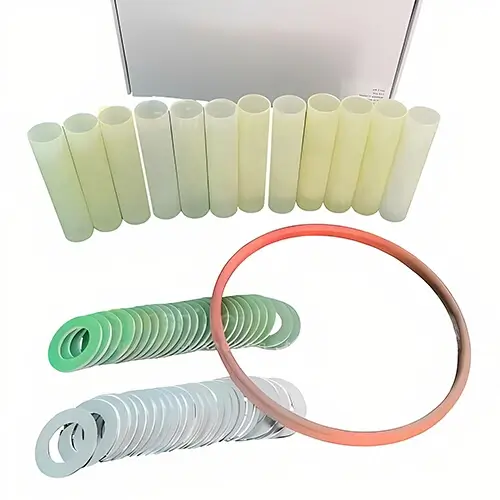
FIK 600-D
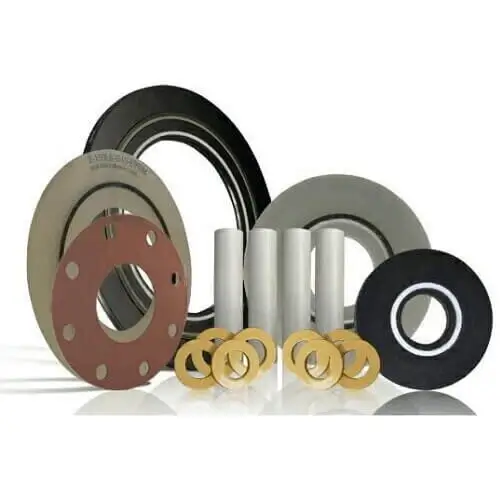
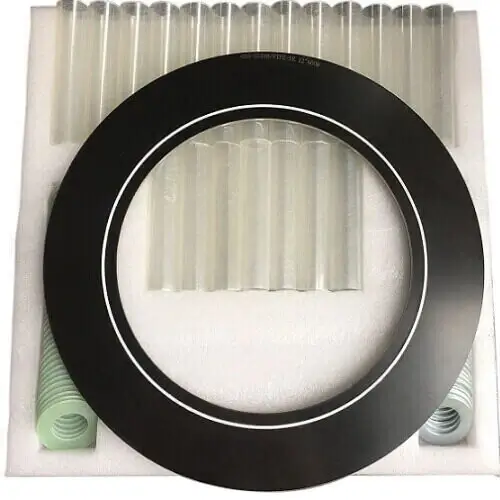
Type D · RTJ InsulationType D Phenolic Flange Insulation Gasket Kit is an insulating ring joint gasket created to physically fit the specific ring groove of Ring Type Joint (RTJ) flanges. The Type D big central gasket is made from medium-weave fabric-strengthened phenolic or NEMA G-10, dimensioned to ASME B16.20 gasket dimensions. Standard configurations are the octagonal shape; oval RTJ profiles can be supplied on special request. Made-to-order BX-type geometry with pressure ratings up to 15,000 PSI is available on request.
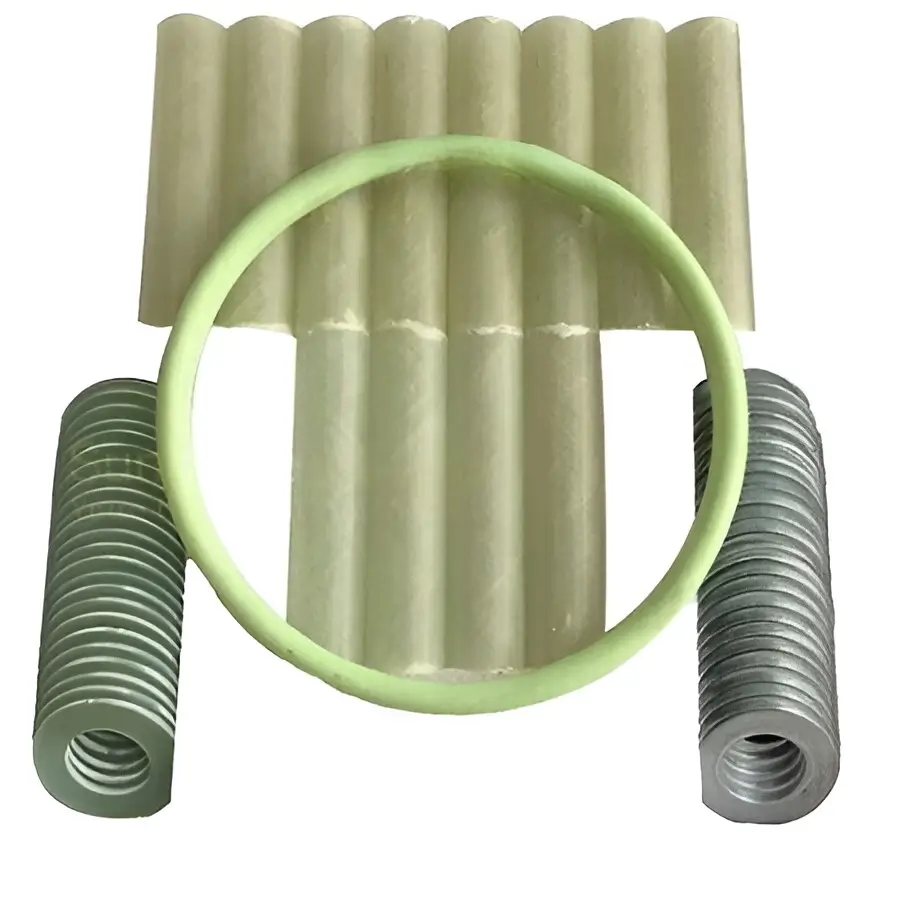
A Type D phenolic flange insulation gasket kit is an insulating ring joint gasket machined to fit the ring groove of an RTJ flange. It replaces the standard solid metal RTJ gasket at joints where the pipeline must be electrically isolated across the flange.
The kit is called “Type D” because it matches the ring-groove geometry of an RTJ flange — the same octagonal profile that a standard Style R RTJ gasket uses. Instead of being made from metal, the Type D central gasket is machined from an insulating material — plain phenolic, NEMA G-10 or NEMA G-11 glass-reinforced epoxy. This gives you two functions in a single part: sealing the joint (using the RTJ ring groove) and insulating the joint (breaking the electrical connection between the two flange faces).
Type D kits are dimensioned to ASME B16.20, the standard that governs ring joint gasket dimensions. That means a Type D kit is dimensionally interchangeable with a standard RTJ gasket — the same ring number, the same flange pressure class, the same ring groove.
These figures cover the basic fit and performance envelope of the FIK 600-D kit. The full material specification is below.
Three material grades are available. Choose by the maximum continuous operating temperature and by the mechanical load on the joint. The table below gives the full datasheet for each grade.
Plain Phenolic
105 °C Max ContinuousLowest cost option. Suitable for lower-temperature, lower-pressure insulation duties where dielectric strength of 500 VPM is sufficient.
NEMA Grade G-10
150 °C Max ContinuousSTANDARD grade — glass-reinforced epoxy laminate. The default choice for flange insulation kits in oil and gas service.
NEMA Grade G-11
202 °C Max ContinuousHigher temperature grade — glass-reinforced epoxy for hot service up to 202 °C. Choose when the process temperature exceeds the G-10 limit.
A Type D insulation gasket kit works together with the flange’s ring groove and the other components of the complete insulation kit. Four things happen at the joint when the kit is installed:
Central gasket seals the ring groove
The Type D big central gasket sits in the ring groove of the RTJ flange, exactly as a standard RTJ gasket would. When the joint is bolted up, the octagonal geometry is compressed into the groove and forms the seal.
Electrical path is broken
Because the central gasket is made from phenolic or G-10/G-11 epoxy instead of metal, no electrical current can pass across the flange joint. This stops galvanic corrosion between dissimilar metals and isolates the cathodic protection system.
Full kit insulates bolts and bolt holes
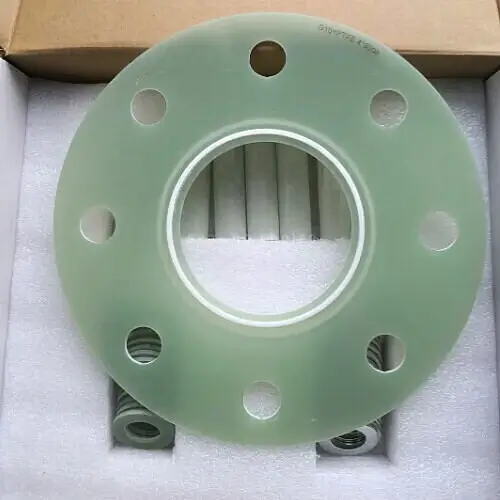
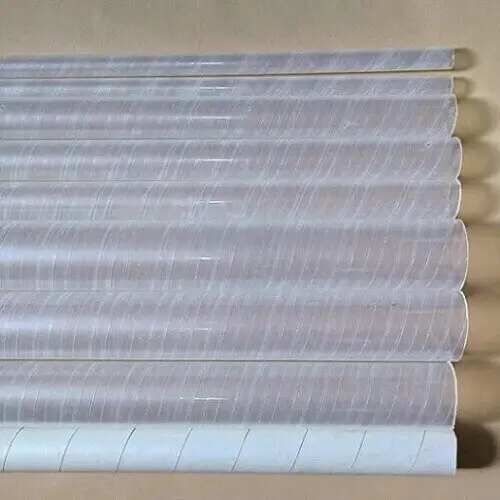
In a complete flange insulation kit, the central gasket is combined with insulating sleeves in each bolt hole and insulating washers under each nut and bolt head. Together these elements ensure the electrical isolation is complete.
Joint is sealed and insulated at the same time
The result is a single flange joint that performs two functions — it seals the process fluid under pressure and temperature, and it electrically isolates the two sides of the pipeline.
Type D flange insulation gasket kits are specified wherever an RTJ flange joint must be electrically isolated — from buried pipelines to process plants to tank farm connections.
What is a Type D phenolic flange insulation gasket kit?
A Type D phenolic flange insulation gasket kit — Style FIK 600-D — is an insulating ring joint gasket machined to fit the specific ring groove of RTJ (Ring Type Joint) flanges. The central gasket is made from medium-weave fabric-reinforced phenolic or NEMA G-10/G-11 glass-reinforced epoxy, dimensioned to ASME B16.20. It electrically isolates the two flange faces from each other while still sealing the joint.
How does a Type D insulation gasket differ from a standard RTJ gasket?
A standard RTJ gasket is a solid metal ring that conducts electricity between the two flanges. A Type D insulation gasket uses the same RTJ profile geometry — so it fits the same ring groove — but is made from an insulating material (phenolic or G-10/G-11 glass-reinforced epoxy) instead of metal. This stops the flow of electrical current between the flanges, which is what protects the pipeline from galvanic corrosion and isolates the cathodic protection system.
What is the difference between plain phenolic, NEMA G-10 and NEMA G-11?
Plain phenolic is the base grade — compressive strength 25 KSI, dielectric strength 500 VPM, maximum continuous temperature 105 °C. NEMA G-10 is glass-reinforced epoxy and is the standard grade for flange insulation kits — compressive strength 65 KSI, dielectric strength 750–800 VPM, maximum continuous temperature 150 °C, water absorption 0.05%. NEMA G-11 is also glass-reinforced epoxy but with higher temperature resistance — compressive strength 50 KSI, dielectric strength 500 VPM, maximum continuous temperature 202 °C. Choose by the operating temperature and the mechanical load.
What pressure rating can the Type D kit handle?
Standard Type D phenolic flange insulation gasket kits are produced to ASME B16.20 dimensions for RTJ flanges. A made-to-order version with BX-type gasket geometry is available with pressure ratings up to 15,000 PSI. Send us the flange pressure class and we will confirm the correct geometry and material grade.
What shapes are available?
Type D phenolic flange insulation gasket kits come in the standard octagonal shape. Oval RTJ gasket shapes can be supplied on special request. Other custom shapes are available — send us the drawing and the flange specification.
Why use an insulation gasket kit on an RTJ flange?
An insulation gasket kit is used on RTJ flanges for two reasons. First, it prevents galvanic corrosion: when two dissimilar metals are joined at a flange and an electrolyte is present, an electrical current can flow between them and corrode one of the metals — the insulation gasket breaks that circuit. Second, it isolates the cathodic protection system: in buried or submerged pipelines the cathodic protection current must be prevented from flowing across insulating flange joints, otherwise the protection system is short-circuited and the pipeline is not protected.
Tell us the RTJ ring number (R, RX or BX), the flange pressure class, the material grade (plain phenolic, NEMA G-10 or NEMA G-11), the shape (octagonal or oval), and the quantity. If you need a complete kit with insulating sleeves and washers, tell us the bolt hole size and the bolt count. If you are replacing an existing kit, send us the current part number and we will match it.
Address
No 432 Zhenhai Middle Road, Luotuo Street, Zhenhai District, Ningbo City, Zhejiang China
Tel